Level up your summit experience with the TraumaWise ToolKit!
TraumaWise ToolKit upgrades unlock lifetime access, and lots of bonuses courses, workbooks, templates and tutorials to help you make your implementation process effective and sustainable
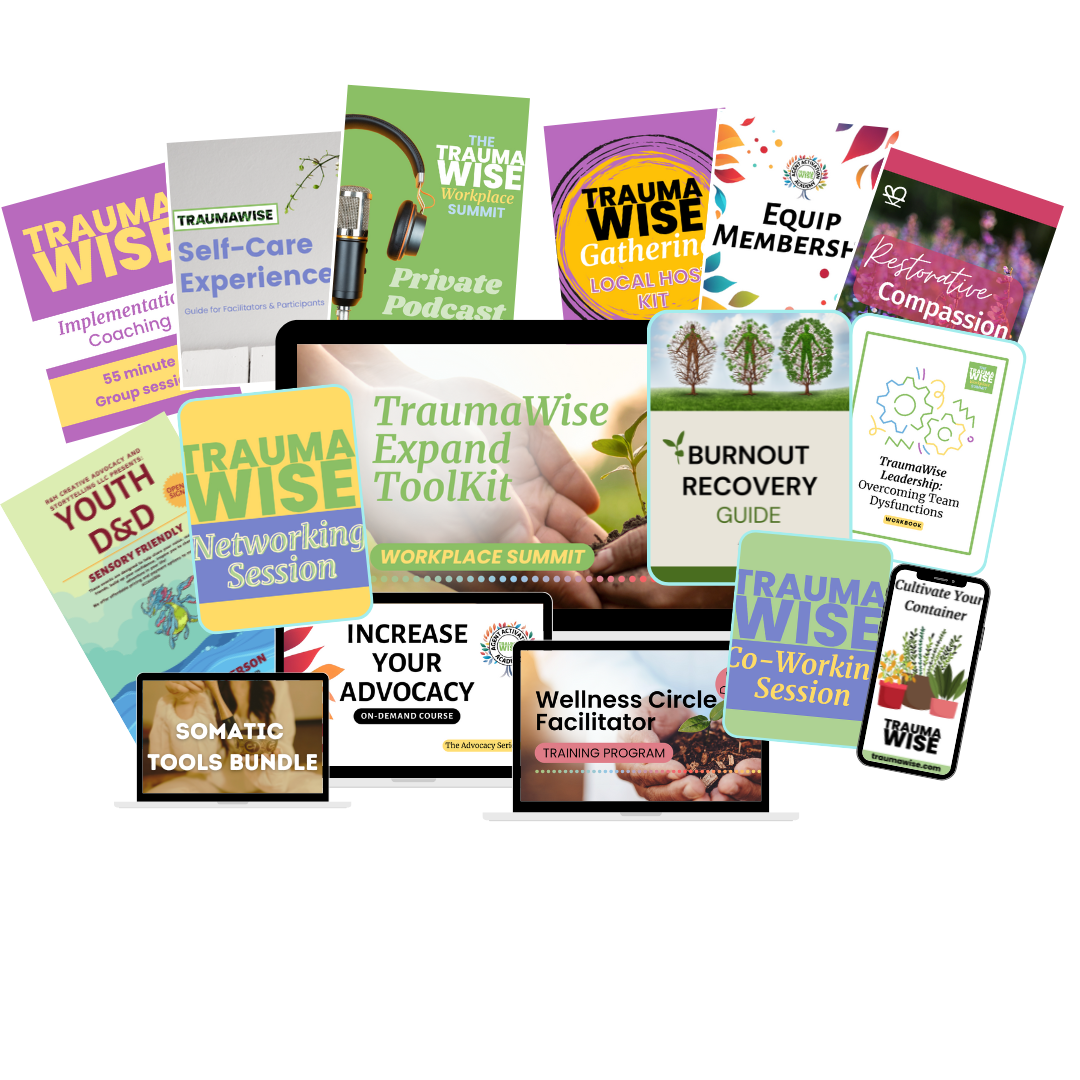
SELECT WHICH UPGRADE SUITS YOU BEST
You have two incredible choices for your ToolKit Upgrade!
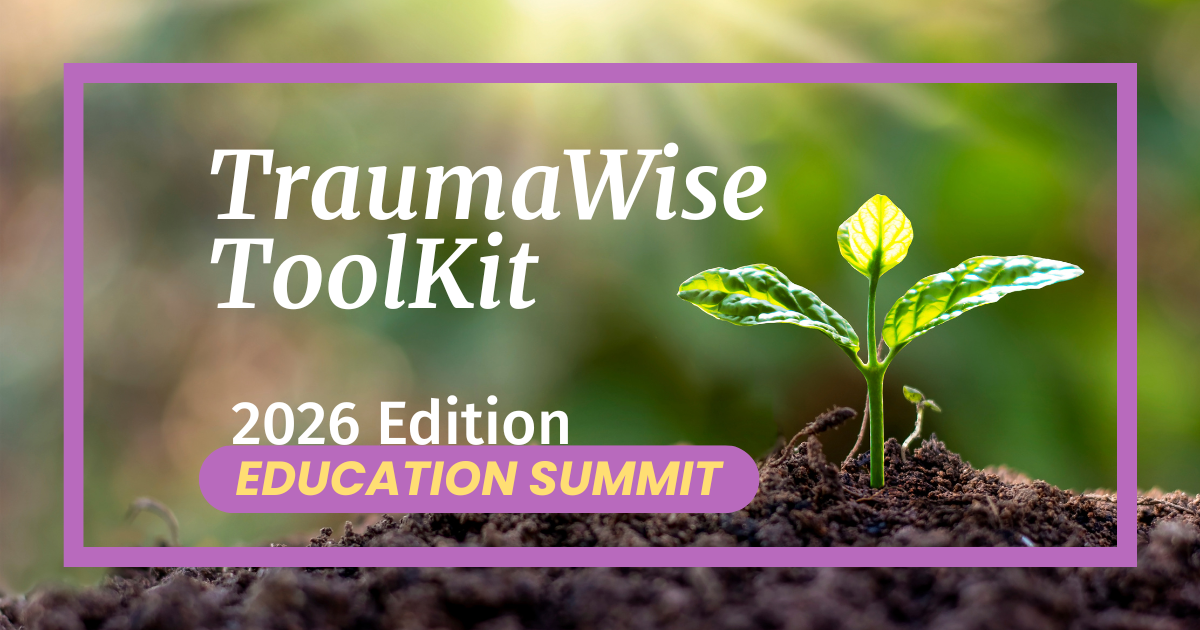
$
67
$5,800+ VALUE
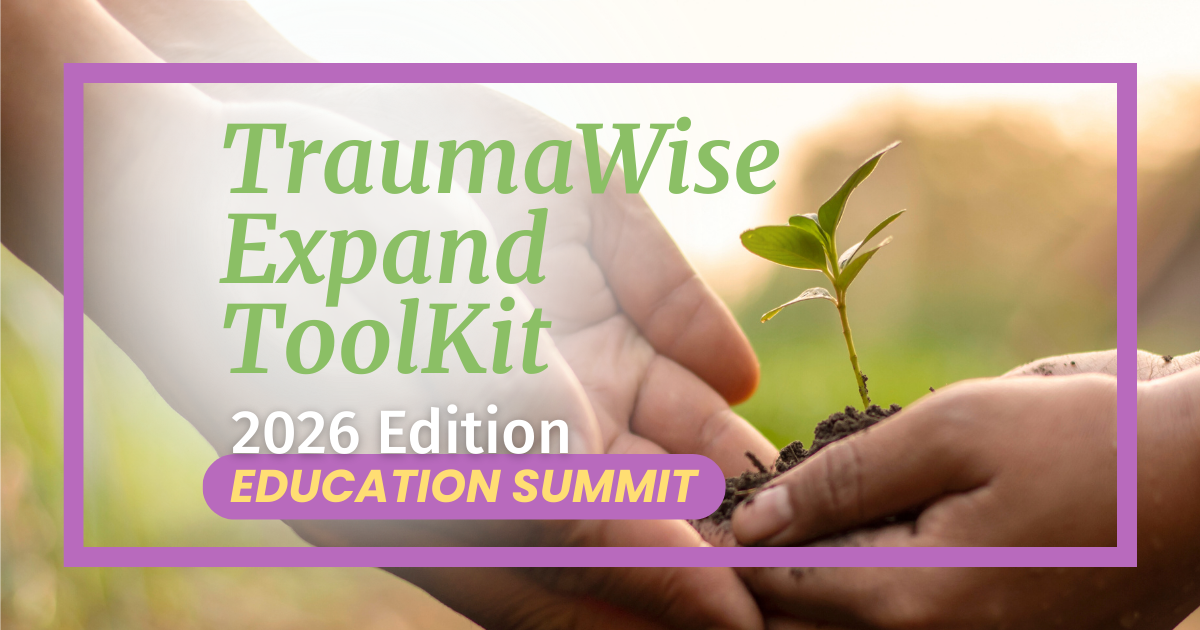
$
97
$7,000+ VALUE
Hmm... are you wondering why you should upgrade?
Your TraumaWise ToolKit will make sure you don't miss a thing.
Nothing Will Expire!
What does the customer get from buying your product or service.
Early Access To It All!
With a free ticket, you have to wait each day for new videos to release.
With a TraumaWise Toolkit, everything is released to you on June 29 - over 2 weeks before the summit even starts!
Audio Files and Expanded Workbook
With a free ticket, you'll lose access after expiry.
With a TraumaWise ToolKit, you can access this all whenever you want without expiry!
What you get in the Basic TraumaWise ToolKit

TraumaWise Environments Training - Cultivate Your Container Course
$147 Value
Experience 4-hour deep dive into trauma-informed care with this interactive workshop, which combines introductory concepts with practical application strategies. Designed for active participants and leaders in educational, community, and workplace settings, this session will provide tools and interventions that can be immediately implemented to create safer and more nurturing environments.
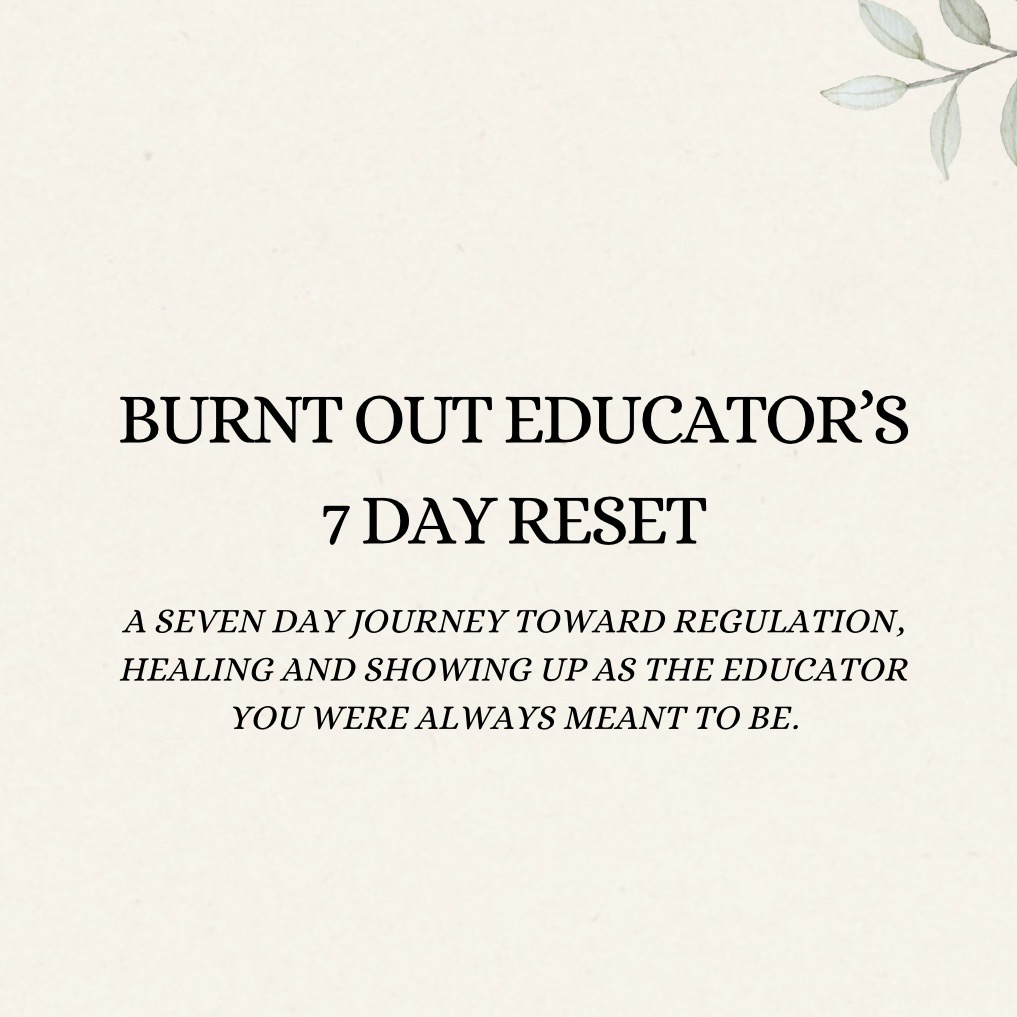
The Burnt Out Educator’s 7 Day Reset
$19 Value
A seven day printable journal designed specifically for early childhood educators who are running on empty. Each day takes less than five minutes and includes a daily reset practice, reflection prompts, and a short, honest read on why your regulation changes everything. For the educator with nothing left to pour, and the child who deserves to be poured into.
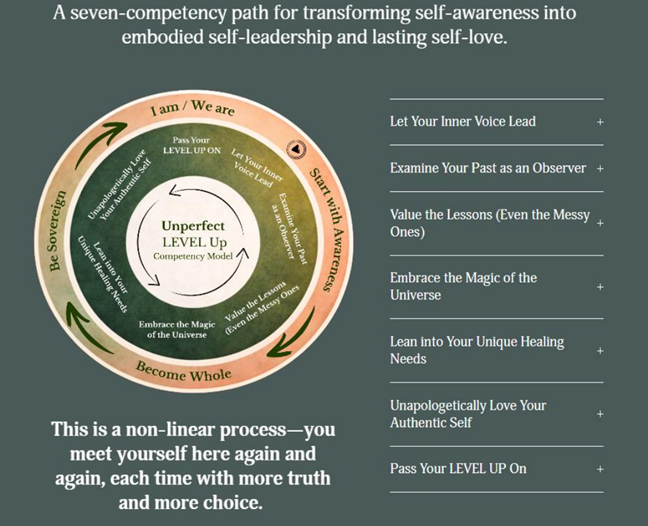
The Unperfect LEVEL UP™ Personal Action Plan
$15 Value
The Unperfect LEVEL UP™ Personal Action Plan is a reflective self-assessment tool designed to help participants evaluate their alignment across the framework’s seven competencies and identify areas needing greater support or attention. Participants will leave with practical, sustainable action steps to strengthen self-awareness, authenticity, regulation, and overall wellbeing in both their personal and professional lives.

3 Months of The Returning Woman Community
$132 Value
The Returning Woman Community is a safe and supportive space for women who are ready to heal, grow, and reconnect with themselves after trauma, narcissistic abuse, religious programming, childhood wounds, or major life transitions. Inside, you'll find access to powerful hypnosis recordings, self-paced healing courses, nervous system regulation tools, live support, and a community of women walking a similar path. This is where the work continues between sessions, allowing you to create lasting transformation at your own pace from the comfort of your home.
Experience The Returning Woman Community completely free for 3 months so you can explore the resources, begin your healing journey, and discover whether it's the right fit for you. My hope is that it becomes a place where you feel seen, supported, and empowered as you reclaim the woman you were always meant to be.
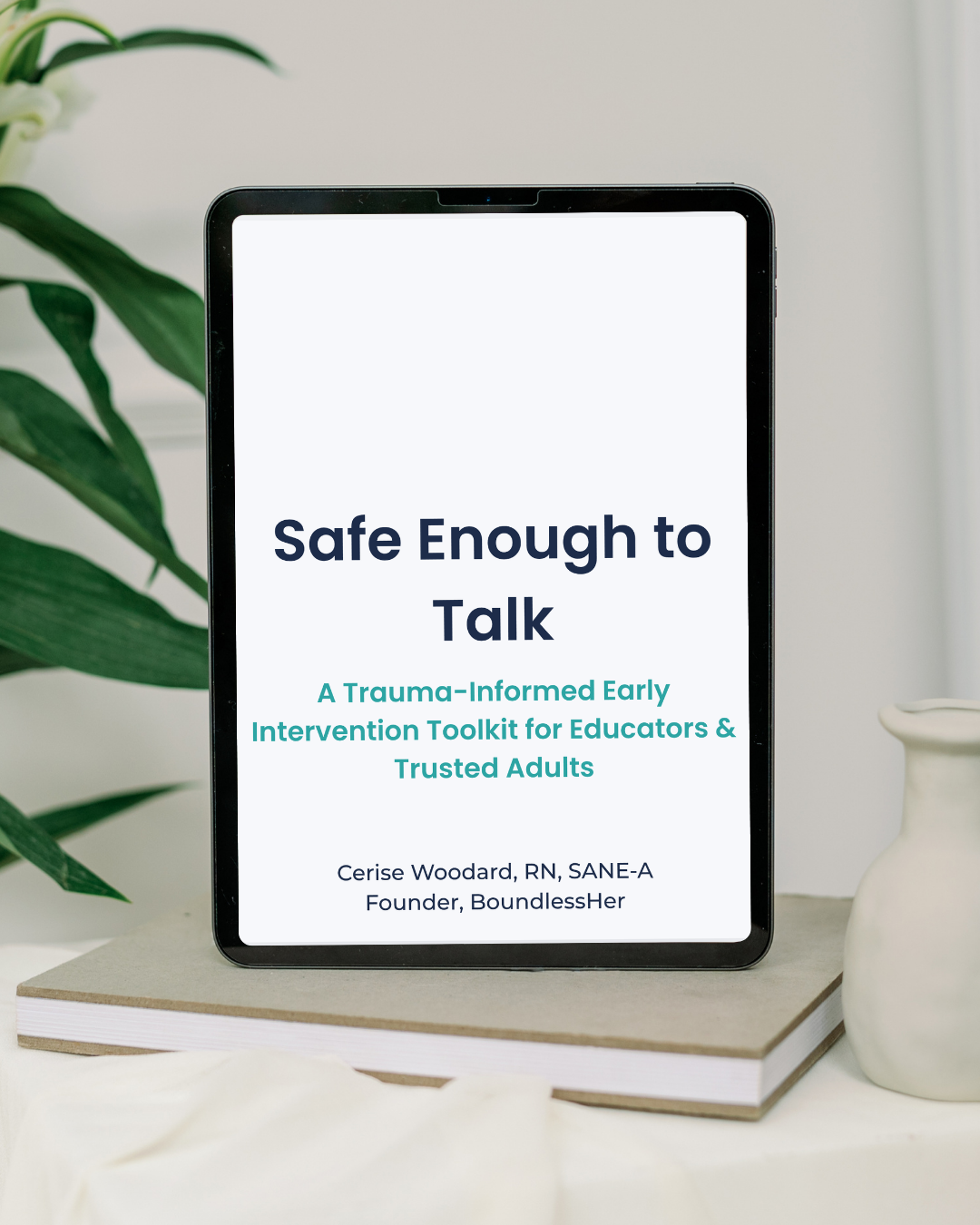
Safe Enough to Talk A Trauma-Informed Early Intervention Toolkit for Educators & Trusted Adults
$37 Value
A trauma-informed educator toolkit designed to help trusted adults recognize vulnerability, understand why students often stay silent, respond supportively, and strengthen early intervention efforts before harm escalates. This resource includes practical communication guidance, digital vulnerability insights, supportive response frameworks, and prevention-centered strategies to help educators create safer, more connected environments for students.

Daily Watch Parties + Real-Time Coaching
$970 Value
TraumaWise ToolKit members receive access to five (5) exclusive 2-hour Watch Parties during summit week. These guided sessions offer more than a chance to watch selected presentations together — they create a brave, gentle space for real-time reflection, integration, coaching, and consultation with Renae M. Dupuis.
Together, participants will explore what is landing, what feels challenging, and how to apply TraumaWise principles in real classrooms, teams, families, and communities. These sessions are designed to support practical next steps through Felt-Safety, Connection, and Co-Regulation — without pressure to perform, disclose, or have it all figured out. This premium bonus is a chance to receive support in community as you begin carrying the summit into practice.
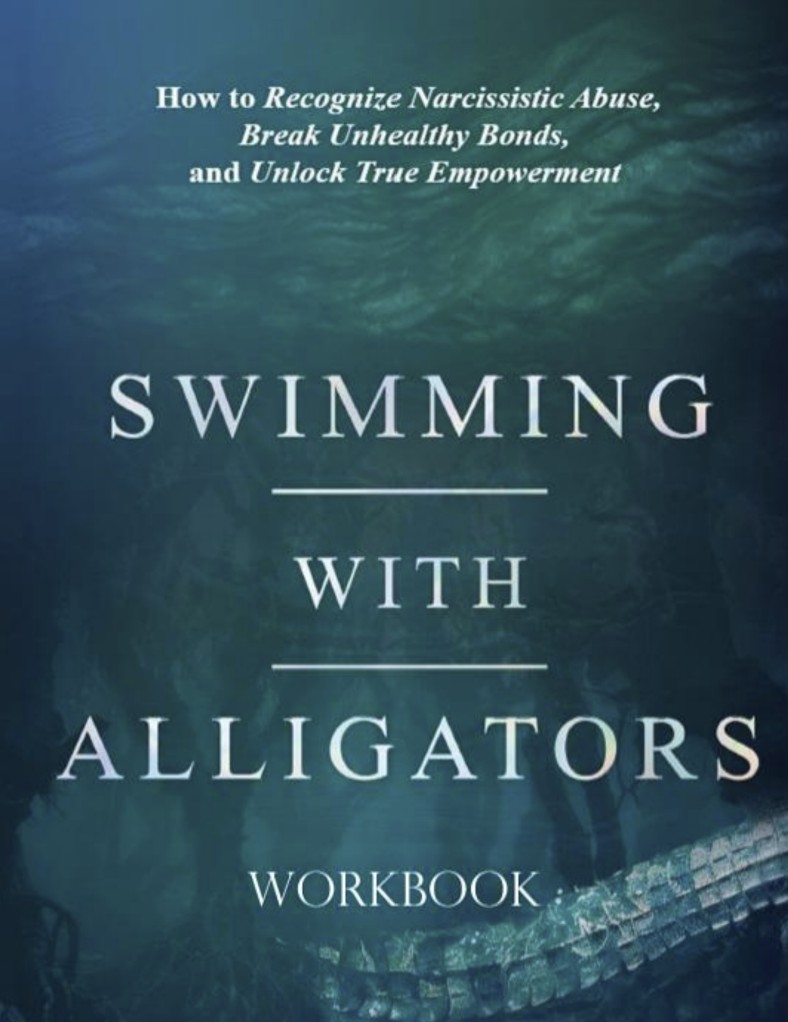
Swimming with Alligators Complete Workbook
$27 Value
This a companion workbook to the book Swimming with Alligators: How to Recognize Narcissistic Abuse, Break Unhealthy Bonds, and Unlock True Empowerment. This workbook serves as an interactive extension of the book, offering practical exercises, reflection questions, and journaling prompts to deepen your understanding and provide actionable steps toward reclaiming your life. Each chapter in the workbook aligns with a chapter in the book, guiding you to confront past experiences, identify patterns, and build resilience.

The Classroom Was Never Designed for This: A workshop for educators of children 3-12 years
$22 Value
Join to learn 3 secrets that shift the energy in the room! In this 60 minute workshop you'll learn what every educator of sensitive & neurodivergent children needs to know — and wasn't taught, and walk away with practices you can implement right away - for yourself and the children in your class.

Still Here. Still Hurting. C.A.R.E guide
$27 Value
Most people who are grieving aren't falling apart in visible ways.
They're showing up to work. Answering messages. Getting through the day.
And carrying something heavy that nobody around them can see.
Still Here. Still Hurting. is a guide for anyone who knows that gap, between how you look and how you actually feel. It offers a quiet framework for tending to grief that doesn't ask you to perform recovery or follow a timeline.
If you work with grieving people, or if you are one, this was made for the in-between.

Expanded Workbook
$59 Value
Experience a deeper dive into practical exercises, reflections, and implementation tools with the TraumaWise Education Expanded Workbook.
2 months of the TraumaWise Equip Membership
$74 Value
Enjoy 2 free months in the brand new TraumaWise Equip Membership.
Access on-demand courses, downloadable tools, and a community of like-minded learners.
Ongoing Access to Presentations
$1,000+ Value
You can access all 22+ recordings of presentations and live sessions so you can binge watch and review your favorite moments

Annual Membership to The Renewal Journey
$970 Value
Restorative Compassion is a comprehensive course designed to help you move from compassion fatigue and burnout into a space of renewed resilience and sustainability. If you want the depth of the course but would benefit from added coaching and resources, the Renewal Journey is available to scaffold your experience.
With an extended timeline, you can focus on one area of your care journey each month, giving you more opportunity to fully explore and implement changes without increasing stress and overwhelm.
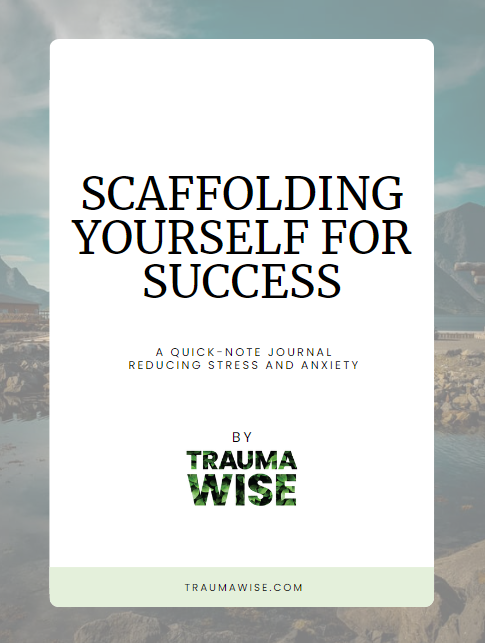
Scaffolding Yourself for Success Workbook
$27 Value
This downloadable workbook provides a roadmap for small, incremental actions to strengthen your personal systems.
The TraumaWise Workplace Summit Private Podcast
$97 Value
Downloadable MP3 files of every training so you can listen on the go on your own schedule - and come back to refresh your hope!
BASIC
EXPANDED
Check Out These Amazing BONUS Products Exclusive to the Expanded ToolKit
over $1,200+ of additional resources more than the Basic ToolKit!
Increase Your Advocacy Skills Live Session and On-Demand Recording
$147 Value
Some traditional models of human support use a top-down method, telling a person what they should do instead of valuing their internal wisdom. Trauma-informed advocacy techniques apply unconditional positive regard for the individual and create the felt safety required to reveal the next best steps.
Get this 6-hour Live session and recording to learn how to help while empowering, encouraging, and expanding capacity!

Two (2) Post-Summit Co-Working Sessions
$37 Value
Co-working sessions are not quite like regular group calls. Instead, the point of these calls is to come together as a group, set intentions, and get work done related to a particular type of project or topic.
Enjoy two (2) post-summit Co-Working Sessions that will help deepen your implementation and collaboration journey.
The TraumaWise Gathering Local Host Kit
$350 Value
Coming in October 2026, the first ever TraumaWise Gathering will take place!
But where will it be? Wherever you are!
Get a Local Host Kit for up to 20-people and build your trauma-informed local community right where you live. Extend the practices that you learn during this summit and create that safe place where people are seen, heard, and valued - supported by our done-for-you tools and resources!

Free TraumaWise Facilitator Training Registration
$50 Value
As a Wellness Circle Facilitator, you will be walking alongside people sharing their journey by offering compassionate listening, time-tested information, and gentle encouragement. This program is based on the belief that people innately know what is good for them yet, with all that pulls on their time and energy, they don’t always do what they know is best and what they desire for themselves.
3-months of the TraumaWise Equip Membership
$111 Value
Enjoy 3 additional months in the TraumaWise Equip Membership.
Access on-demand courses, downloadable tools, and a community of like-minded learners.

The Self-Care Experience: Guide for Facilitators and Participants
$27 Value
With this guide, you will be able to facilitate a gathering varied sizes to introduce and support increased wellness in your community.
Included is a list of several ways to guide others in meaningful exercises that engage the senses and calm the mind. Lists of materials and suggestions for the atmosphere have been provided to assist you in creating an environment that is primed for the participants.
Our goal for this guide is that everyone will be able to focus and engage with practices that allow them to fully experience the exercises and begin to explore the development of their personal self-care routine.
VIP 1:1 Implementation Coaching Session (75 min)
$375 Value
Ready to start making changes in your church, ministry, program, or organization, but not sure how to start and what strategy will be sustainable?
In this VIP 1:1 Implementation Coaching session with Renae, together you will build a custom plan that clearly identifies the essential resources, needs, and goals for your specific ministry setting.
Two (2) Post-Summit Networking Sessions
$37 Value
The TraumaWise Networking Sessions provide a supportive community space where we guide intentional conversations around trauma-informed change.
Enjoy two (2) post-summit Networking Sessions that will help deepen your implementation and collaboration journey.
Two (2) Implementation Live Group Coaching Sessions
$194 Value
Ready to start making changes in your church, ministry, program, or organization, but looking for collective wisdom and best practices?
In these Implementation Live Group Coaching sessions, you'll gather with other change agents to develop sound strategies and plans. We're better together.
As soon as you purchase a ToolKit, you’ll get instant access to your ToolKit Dashboard and login.
Starting on 6/29/2026 you’ll find codes for each of the individual speaker bonuses. You’ll have until 10/31/2026 to use the coupon codes to claim the bonuses you want!
All presentation videos, notes, and transcripts will be added to your course portal on 6/29/2026 at 12pm PDT.
When you buy a TraumaWise ToolKit, you will have access to each of the summit trainings for life! You'll be able to login and access them whenever, wherever, however many times you choose! If that sounds too good to be true to you, don't worry... it's really true!
With a free ticket you will have access to the summit trainings for the summit week only. After the July 17, you'll lose access to the sessions. If you'd like to watch on your own schedule, whenever you want (for life), the TraumaWise ToolKit is a good option for you.
This is a 100% virtual event that you can stream from the comfort of your own home, in your PJs if you'd like! No one will know :)
Due to the digital nature of the product and the fact that it contains instant downloads and material from multiple businesses, we are not able to offer refunds for any reason. Please look through all the details before you purchase and email renae@traumawise.com with any questions you have!
In your TraumaWise ToolKit, you will find links for the bonus Networking Event that will take place during the summit. You will also find links to the Post-Summit events if that is in the ToolKit level that you selected.
Lastly, you’ll also receive an email with the schedule of events so you can add links and reminders to your calendar.
Your TraumaWise ToolKit and access to tons of resources that make implementation easier and more sustainable is just a few button clicks away

TraumaWise (TM) 2026 - all rights reserved - Privacy policy -- Disclaimer -- Cookie Policy -- Terms and conditions