

The Ministry of Empathy: Why Trauma-Informed Faith Communities Matter
There’s a quiet shift happening in many ministry spaces right now.
People are asking different questions than they used to.
Not:
- “How do we grow faster?”
- “How do we get more volunteers?”
- “How do we fix people?”
But instead:
- “How do we create spaces where people feel safe?”
- “How do we respond to suffering without rushing past it?”
- “How do we love people without causing additional harm?”
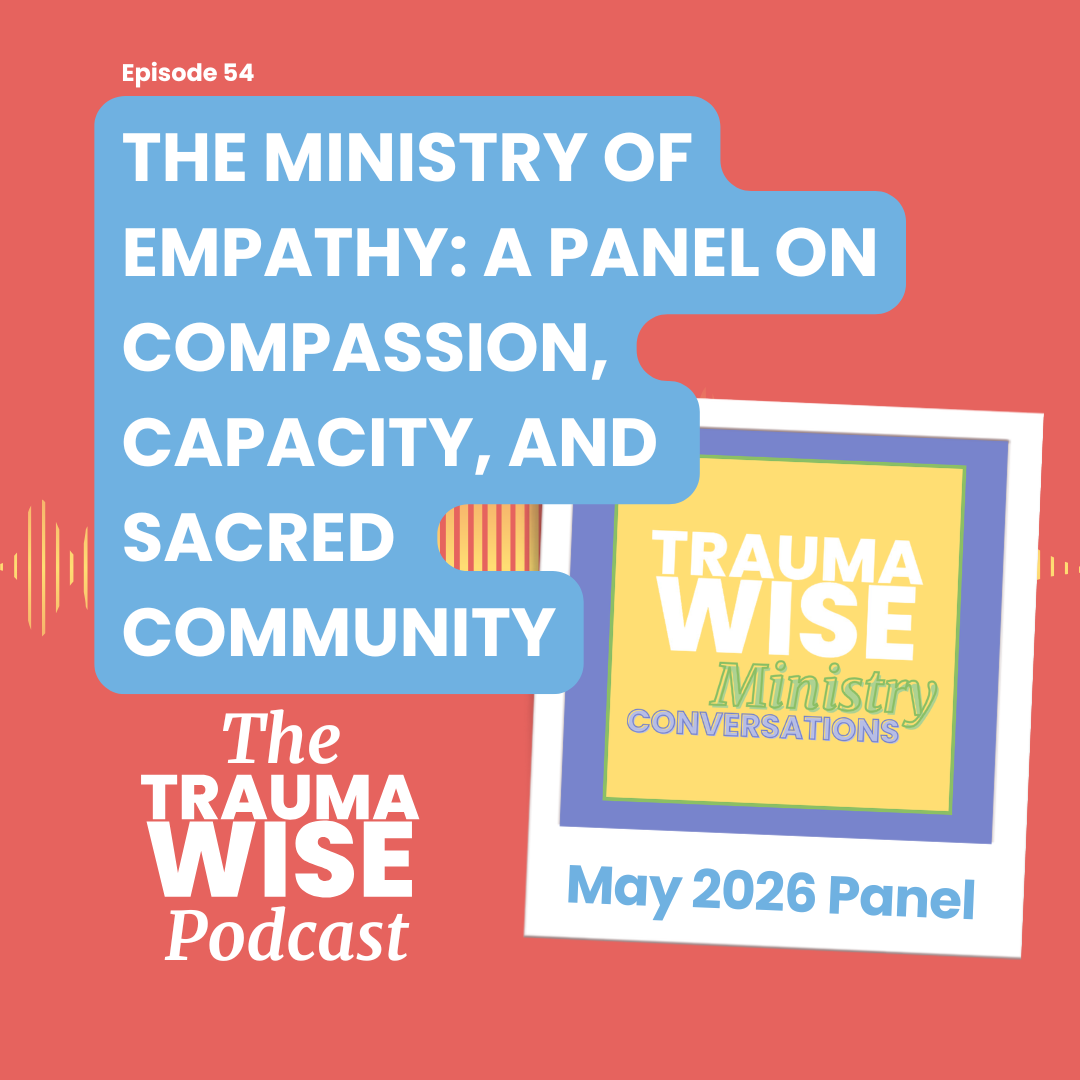
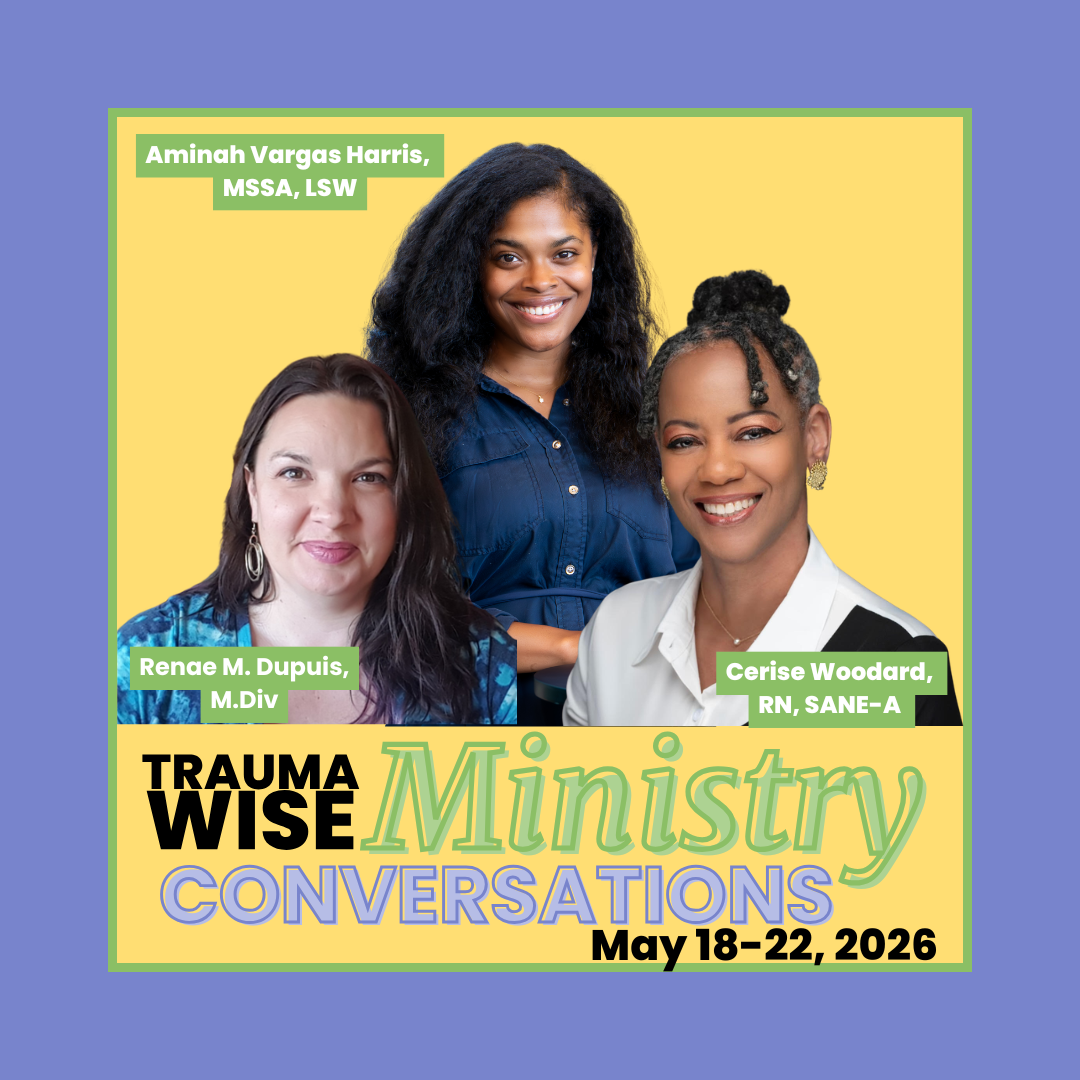
In a recent live TraumaWise Ministry Conversations panel, Renae M. Dupuis sat down with Cerise Woodard and Aminah Vargas-Harris to explore what trauma-informed ministry actually looks like in practice.
And one truth kept surfacing again and again:
Trauma-informed ministry is not separate from the Gospel.
It is deeply aligned with it.
Compassion Is More Than Advice
Many faith communities sincerely want to help hurting people.
But sometimes our urgency to encourage, solve, or spiritually reassure can unintentionally bypass grief instead of honoring it.
Statements like:
- “Everything happens for a reason.”
- “Just pray about it.”
- “God won’t give you more than you can handle.”
may come from good intentions.
But trauma-informed care asks us to pause and consider:
What impact does this have on someone whose nervous system is overwhelmed right now?
The panelists reflected on how often people simply need someone willing to:
- stay,
- listen,
- witness,
- and resist the urge to rush toward resolution.
Because compassion is not about removing discomfort as quickly as possible.
Compassion literally means:
to suffer with.
Churches Were Always Meant to Be Relational
One of the strongest themes of the conversation was this:
people heal in safe relationship.
Not performance.
Not pressure.
Not perfection.
Relationship.
Cerise shared how small groups and relational ministry environments often become the places where people finally feel safe enough to be honest.
Aminah described the importance of equipping communities with language and tools—not just relying on a few “experts” to hold everyone’s pain.
And Renae reflected on how scarcity, burnout, and overwhelm can slowly disconnect communities from empathy altogether.
When people feel depleted, unsupported, or afraid of “getting it wrong,” they often stop engaging.
Trauma-informed ministry helps restore the relational fabric.
Trauma-Informed Doesn’t Mean You Have to Be a Therapist
One of the most important reminders from the panel was this:
You do not have to be a clinician to practice trauma-informed care.
You can:
- greet people warmly,
- notice when someone seems withdrawn,
- create safer environments,
- offer calm presence,
- respect boundaries,
- and help connect people to support.
Aminah offered this beautiful reminder:
“You are the Gospel.”
Whether someone is preaching, serving coffee, leading children’s ministry, or simply sitting beside another person in grief—every interaction can become an opportunity for empathy and co-regulation.
Sustainable Care Requires Self-Awareness
Another major thread throughout the conversation was capacity.
Trauma-informed care is not self-abandonment.
Healthy ministry requires people who understand:
- when they have capacity,
- when they need support,
- and when they need to pause.
The panelists spoke openly about:
- self check-ins,
- boundaries,
- saying no,
- physical movement,
- nervous system regulation,
- and the importance of helpers receiving care too.
Because burned-out communities struggle to stay compassionate.
And sustainable ministry requires honest humanity.
The Church Can Become a Healing Space Again
Perhaps the most hopeful moment of the panel came near the end.
The speakers imagined what might happen if churches truly embodied trauma-informed principles—not as a specialty program, but as part of their culture.
Communities where:
- grief is welcomed,
- questions are not punished,
- compassion is practiced,
- and people are treated as fully human.
Not perfect people.
Human people.
The conversation closed with a simple but powerful prayer from Renae:
“God, let me see them the way You see them.”
And perhaps that’s where trauma-informed ministry begins.
Not with expertise.
But with compassion.
Listen to the Full Episode
The Ministry of Empathy: A TraumaWise Panel on Compassion, Capacity, and Sacred Community
0 comments